
2026 Social Commerce Boom: How TikTok and IG Sellers in CA/AU Master High-Frequency Shipping
 2026-03-31 06:22:381 min read
It’s March 2026, and the "Creator-Seller" economy in Canada and Australia is hitting its peak. Whether you’re selling handmade jewelry via TikTok Shop in Melbourne or tech accessories through IG Shopping in Vancouver, you’ve likely realized one thing: Going viral is easy; shipping the orders is hard.
When you're shipping 50 small parcels a day, the "Post Office Counter" is your worst enemy. Here is how top social sellers are optimizing their logistics in 2026.
1. The "Small Parcel" Trap (Under 1kg / 2lb)
Social commerce usually involves lightweight items. In 2026, the retail price for a 500g parcel in Australia or a 1lb box in Canada has reached record highs. If you pay the walk-in rate, you are effectively handing 30–40% of your product's value to the carrier.
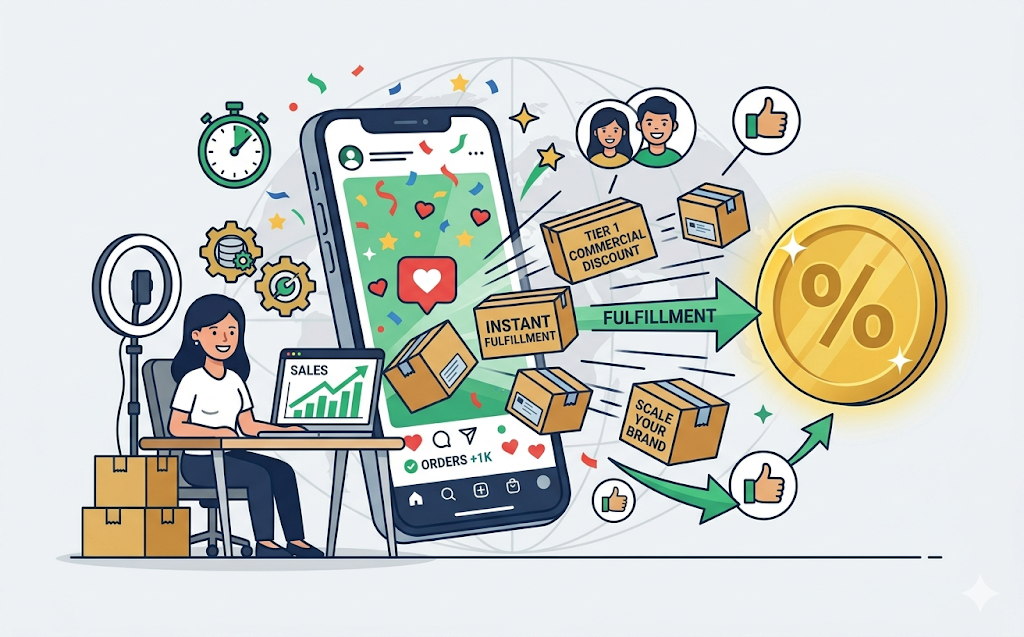
- The Pro Move: Stop paying retail. By accessing Commercial Tier 1 rates, social sellers can save enough on every 10 labels to pay for an 11th shipment. In the high-frequency world of TikTok Shop, those small savings compound into thousands of dollars in monthly profit.
2. Automation: From "Viral" to "Shipped" in Minutes
Manual entry is the bottleneck of scaling. If you are manually typing addresses from your IG DMs or TikTok orders, you are one typo away from a lost package and a bad review.
- The Digital Workflow: 2026’s successful sellers use CSV uploads or direct API syncs. This allows you to generate 100 labels in the time it takes to film a 15-second "Packing Order" video.
Social commerce is about speed and connection. Don't let 20th-century logistics slow down your 21st-century business. By slashing your overhead with commercial discounts and embracing automation, you ensure that your viral success actually leads to a healthy bank account.